
7 Tips for Running a Great Escape Room Party
Whether you're using a ready-made escape room or creating your own, these seven ideas will help you shape the whole experience around the game.
Carry the theme through the whole party
A strong theme helps tie the whole party together. Carrying it through the invitations, food and a few simple props helps set the scene before the game has even started.
Pick a theme that gives you plenty to work with. For example:
Explorer or ancient temple: treasure-map invitations, snacks styled as rations, bandanas or safari hats.
Spy or secret agent: classified invitations, mocktails for the "agency briefing", sunglasses or ID lanyards.
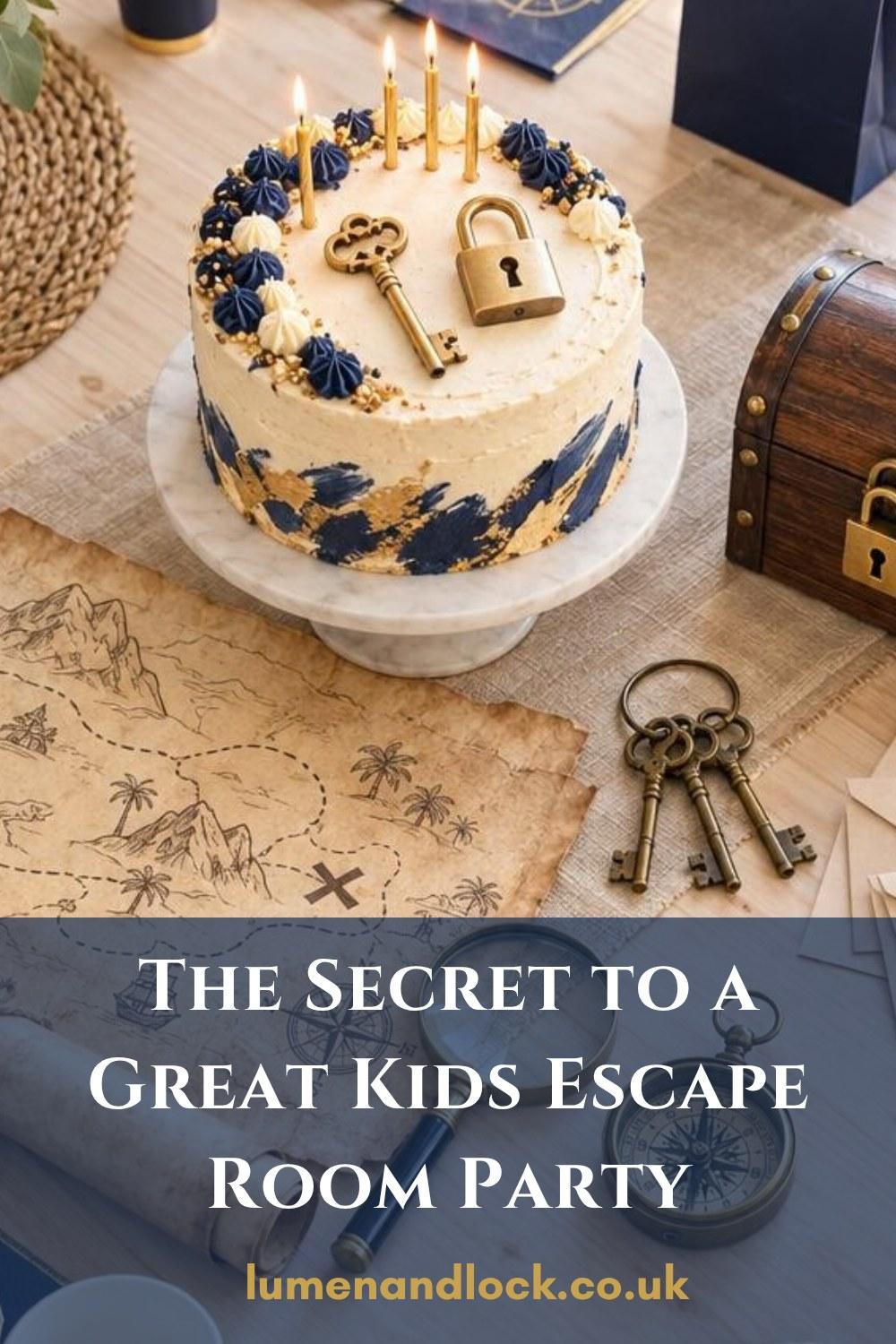
Heist: a "job briefing" invitation, a getaway-themed cake, black outfits or masks.
Detective or murder mystery: case-file invitations, food named after suspects or evidence, magnifying glasses and notebooks.
Pirate: treasure-map invitations with a wax seal, food named after ship's rations, eye patches and bandanas.
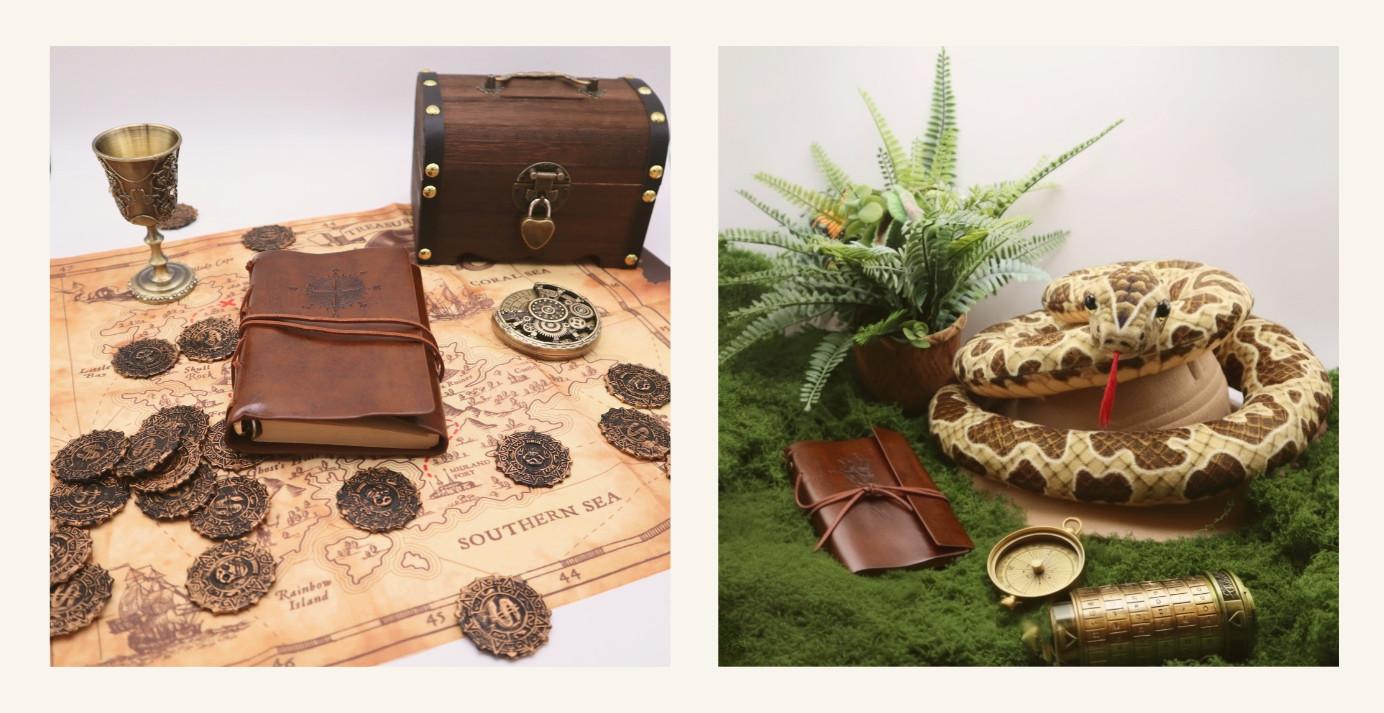
You don't need to go overboard with decorations or spend a fortune. A couple of themed snacks and some inexpensive props can be enough to make the whole party feel connected.
Think about how many people will actually be playing
Four to six players is a good size for most home escape rooms. There's enough going on to create plenty of discussion, without everyone trying to look at the same clue at once.
If you've got a larger group, think about how many people can actually be doing something at any one time. You could have two puzzles available at once, split players into smaller groups for part of the game, or provide extra copies of anything several people will need to inspect closely.
The main thing to avoid is a game where one or two children are doing the solving while everyone else gradually becomes an audience.
Include at least one proper wow moment
Most of your puzzles don't need an elaborate reveal; a cipher, a hidden clue or a key found at just the right moment can all work brilliantly. But it's worth including one or two things that players really aren't expecting.
A few ideas:
A UV reveal: write a clue in UV-reactive ink and give players a UV torch to find it. There's something very satisfying about seeing a message appear where there seemed to be nothing before.
A digital reveal: use a phone or tablet to reveal an image, code or animation that isn't visible on the printed clue alone.
A secret hiding place: a false-bottomed book, hollow object or container disguised as something else can turn finding the clue into part of the experience.
A puzzle that comes together later: give players pieces or clues as they progress that don't make complete sense until they're combined. A map assembled from pieces collected throughout the game is a good example.
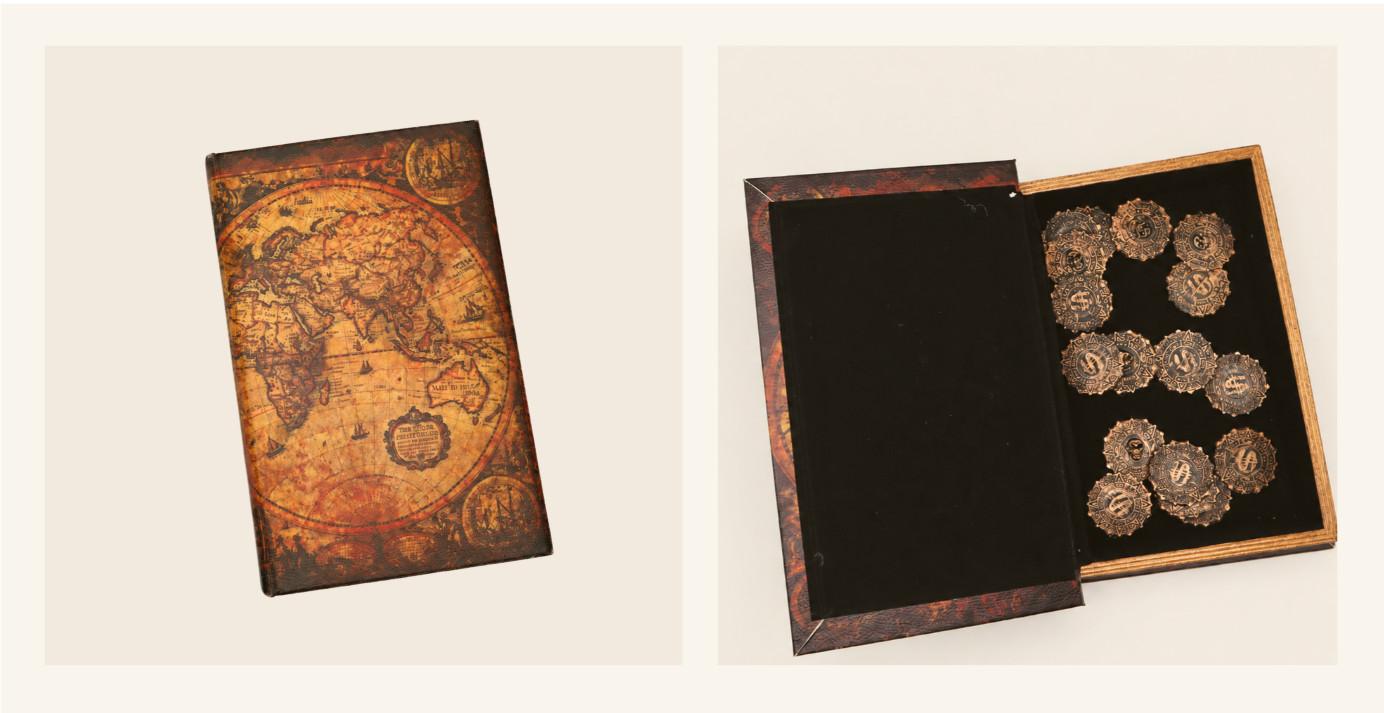
You certainly don't need all of these; one well-executed reveal at the right point in the game can be far more memorable than trying to make every puzzle elaborate.
Don't let players find things before they're supposed to
Children are remarkably good at finding the one thing you didn't expect them to find, including the clue they're not supposed to discover for another twenty minutes.
If finding something early would allow them to skip part of the game, the safest option is to keep it physically unavailable until they reach that stage. Locked boxes, sealed envelopes and containers opened with keys found during the game are all useful ways of controlling what becomes available when.
It's also worth deciding beforehand what you'll do when they get stuck, because at some point they probably will. Rather than giving them the answer, point them back towards something they've already found or ask a question that helps them look at it differently.
Give them enough time to work things out for themselves, but don't leave them going round in circles for fifteen minutes either. Once frustration sets in, it can be difficult to get the energy back.
Mix up the types of puzzles
If every puzzle involves the same kind of thinking, you'll probably find the same one or two children solving everything. Including a mixture gives different players a chance to spot something first or make the connection that moves everyone forward.
You could include:
Logic and deduction: working out an order, pattern or rule
Searching and observation: finding something hidden or noticing an important detail
Code-breaking: deciphering symbols, ciphers or substitution codes
Numbers: using maths or quantities to reach an answer
Physical or spatial puzzles: arranging, assembling or overlaying pieces
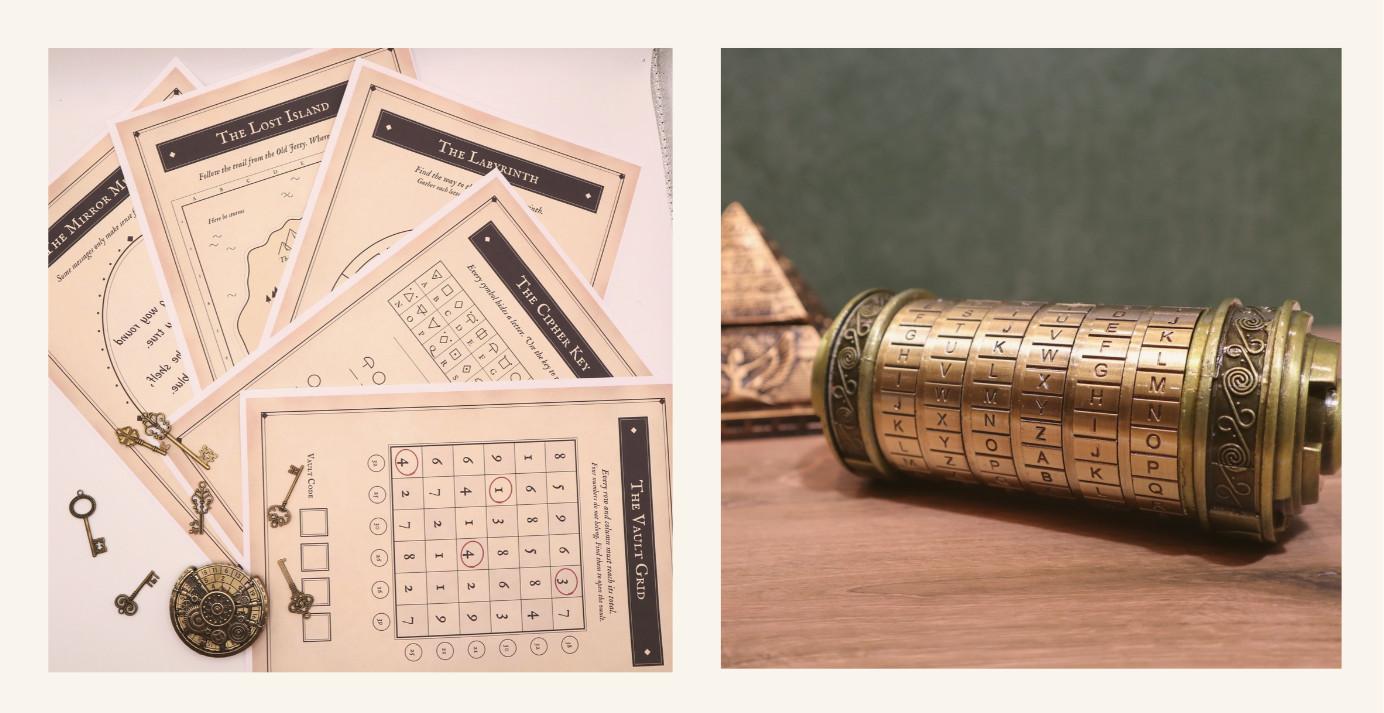
You don't need one of every type, but some variety makes it much easier for everyone to get involved rather than having one particularly confident puzzle-solver race ahead of the rest of the group.
Leave some wiggle room in your timings
Different groups can take surprisingly different amounts of time to solve exactly the same game, so it's better to build some flexibility into your party plan rather than relying on the escape room finishing at an exact time.
As a rough guide, you could allow:
Arrival and briefing: 10–15 minutes
Escape room: around 45–75 minutes
Final reveal and celebrations: 5–10 minutes
Food and free time afterwards
Don't panic if they finish more quickly than you expected. Sometimes a group just clicks, communicates well and gets through things quickly, and that's not necessarily a sign that the puzzles were too easy.
Having food, cake or something else planned afterwards gives you some breathing room either way and means the success of the party doesn't depend on stretching the escape room to fill a particular amount of time.
Let players see that they're making progress
It's much more satisfying when players can see the game building towards something. One way to do that is to have them collect physical items as they go, such as pieces of a map, keys, tokens or objects they'll need later.
This also gives you the chance to bring earlier discoveries back into the game. Something that seemed unimportant when it was first found might suddenly make sense twenty minutes later, which can make for a great moment when someone realises what it's for.
It's also worth thinking about what happens after the final puzzle. Maybe the last key opens a treasure box, the completed map reveals where a prize has been hidden, or a final message completes the story. You could also have certificates waiting for them to mark their success.
Whatever you choose, try to avoid ending with the host checking an answer and simply saying, "Yep, you've finished." If they've spent an hour working towards something, let the final solve actually lead somewhere.
Bringing it all together
You don't need elaborate decorations, expensive props or a house full of hidden compartments to run a brilliant escape room party. A theme that carries through the experience, a good mix of puzzles, a surprise or two and a final solve that actually leads somewhere will do far more to make the game memorable.
Most importantly, think about the experience from the players' point of view. Give everyone something to contribute, let them discover things for themselves and make sure there's something worth finding at the end.